CBT, or Cognitive Behavioural Therapy, is one of the most widely used and evidence-based therapies available. If you’d like a more detailed explanation of what CBT is and how it works, read my complete guide to Cognitive Behavioural Therapy.
You’ve probably heard of CBT. Maybe your GP mentioned it. Maybe a friend swears by it. Perhaps you’ve seen it mentioned online and thought, “Sounds helpful… but what actually is CBT?”
Good question. CBT, or Cognitive Behavioural Therapy, is one of the most widely used and evidence-based therapies available. But just because it’s effective doesn’t mean it should sound like a psychology textbook. So, here’s a simple breakdown of what CBT is (and what it definitely isn’t).
CBT starts with a loop.
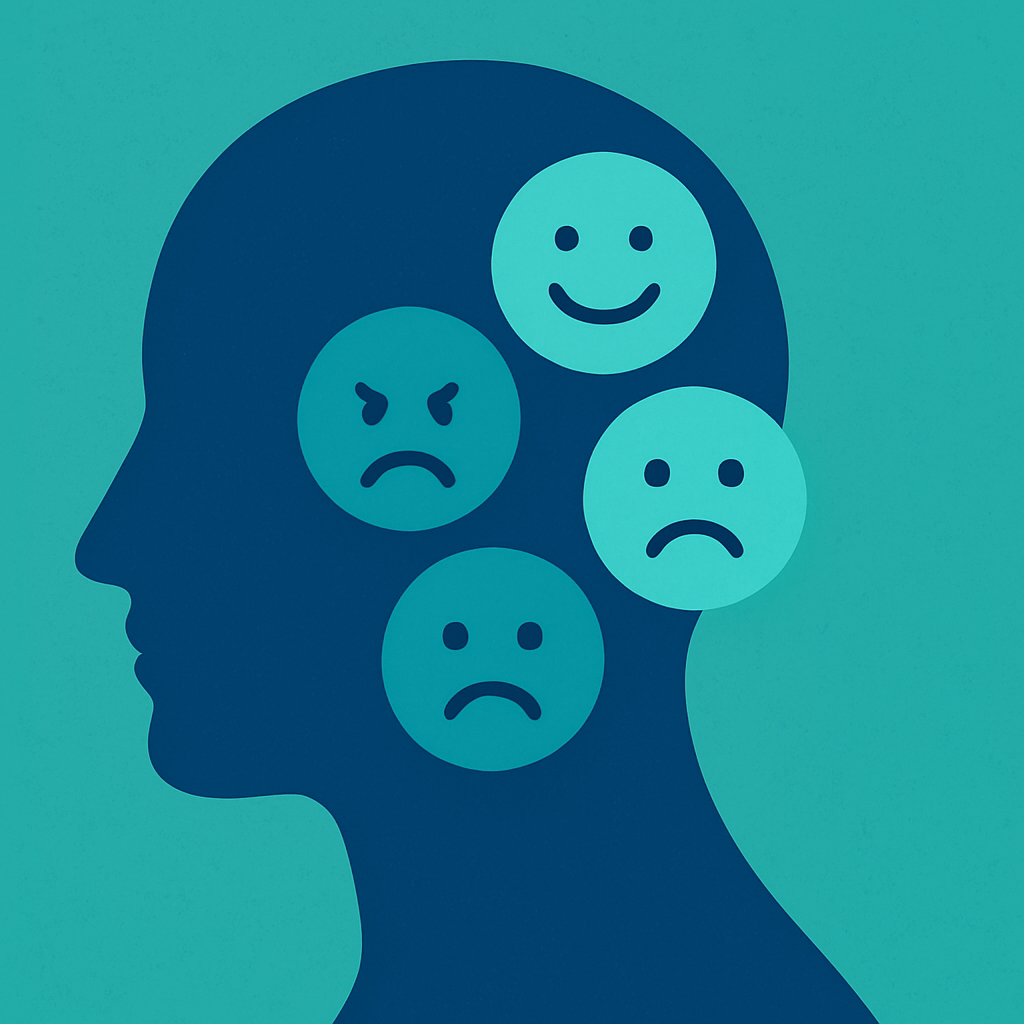
CBT is based on the idea that our thoughts, feelings, and behaviours are all connected. When we feel stuck, anxious, low or overwhelmed, it’s often because we’re caught in an unhelpful loop between them.
Let’s say you get invited to a gathering. Your brain might throw out a thought like, “I’m going to say something stupid.”
That thought sparks anxiety (hello, racing heart), and the behaviour that follows?
You cancel, avoid, or stay quiet all night.
In the moment, avoidance feels safer, but long-term, it keeps the anxiety going. CBT helps you recognise that loop, challenge it, and alter your response to it.
It’s not just talking – it’s doing.
CBT isn’t about lying on a couch, diving into your childhood (although your past can play a role). It’s a practical, structured approach that focuses on helping you understand patterns and learn tools to handle them differently.
Sessions might include:
- Spotting unhelpful thought patterns
- Testing out new behaviours (we call these “behavioural experiments”, don’t worry, no lab coats involved)
- Building your tolerance for difficult feelings
- Gradually facing the stuff you’ve been avoiding
It’s about becoming your own therapist.
One of the best aspects of CBT is that it provides you with tools that you can apply long after the therapy sessions have ended. The goal isn’t to keep you in therapy forever; it’s to build your confidence, so when those tricky thoughts or emotions come back (as they sometimes do), you know how to handle them.
You don’t need to be “falling apart” to benefit, either. CBT can help with:
- Anxiety and panic
- Generalised anxiety GAD
- Health anxiety
- Low mood and depression
- Overthinking and self-criticism
- OCD or trauma
- Social anxiety
- ADHD related struggles (like motivation or emotional regulation)
- …or just feeling stuck and unsure where to start
What does a CBT session with me look like?
Every session is different, but typically we:
- Check in with how you’ve been feeling
- Set a focus for the session
- Explore what’s been going on: thoughts, emotions, behaviours, and all
- Work together to make sense of it and figure out the next steps
I don’t sit in silence. I don’t diagnose and disappear. We talk, we reflect, and we challenge what no longer serves you. And sometimes, we even laugh (therapy doesn’t have to be miserable).
Final thoughts
If you’re thinking about starting therapy but are not sure what to expect, I hope this has helped make CBT feel a little clearer and a lot less scary. It’s not about fixing you. It’s about equipping you. And you don’t have to do it alone.
If you’re curious, please don’t hesitate to get in touch. I’m happy to answer questions or have an informal chat.
Want to learn more about CBT?
Visit the CBT Knowledge Centre for practical guides explaining different anxiety problems, how CBT understands them, and the techniques used in treatment.
Written by: Natasha Lansley-Bryant, BABCP Accredited Cognitive Behavioural Therapist